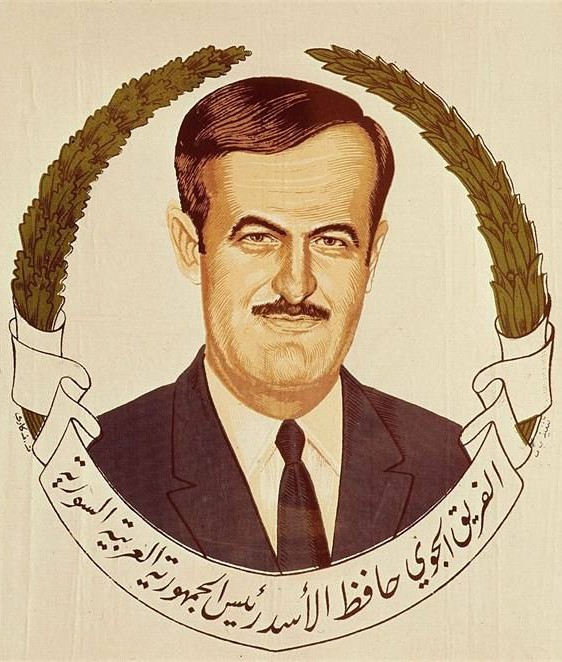
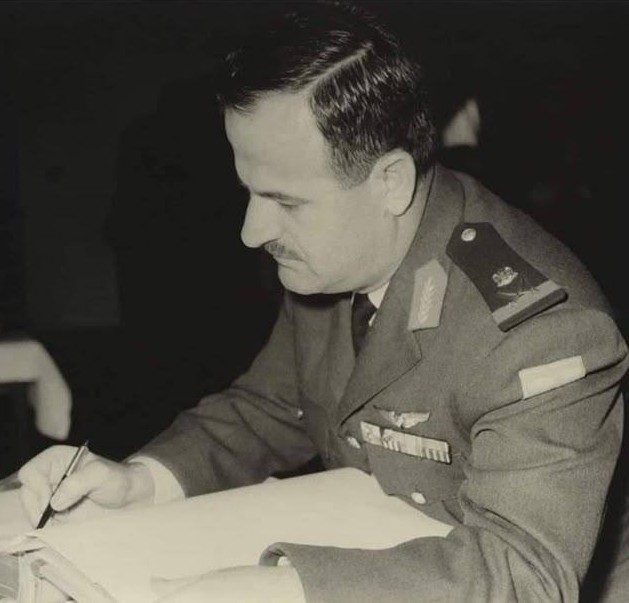
Hafez al-Assad
Syrian president who consolidated absolute power over three decades.

Unknown author · Public domain
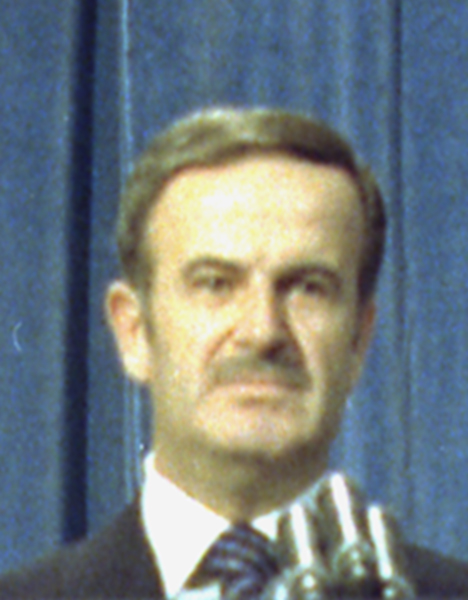
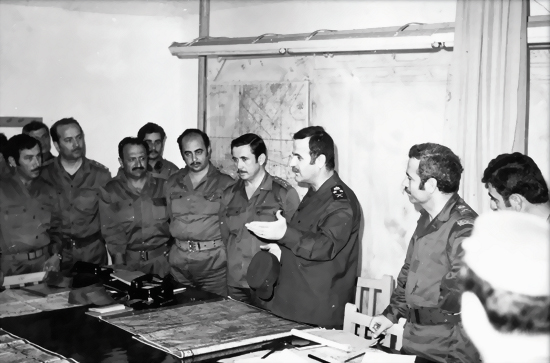
His rule, lasting three decades, was marked by consolidation of absolute presidential control, a cult of personality, and significant human rights abuses, including the Hama massacre.
- field
- Politics, military
- nationality
- Syrian
Lore & Background
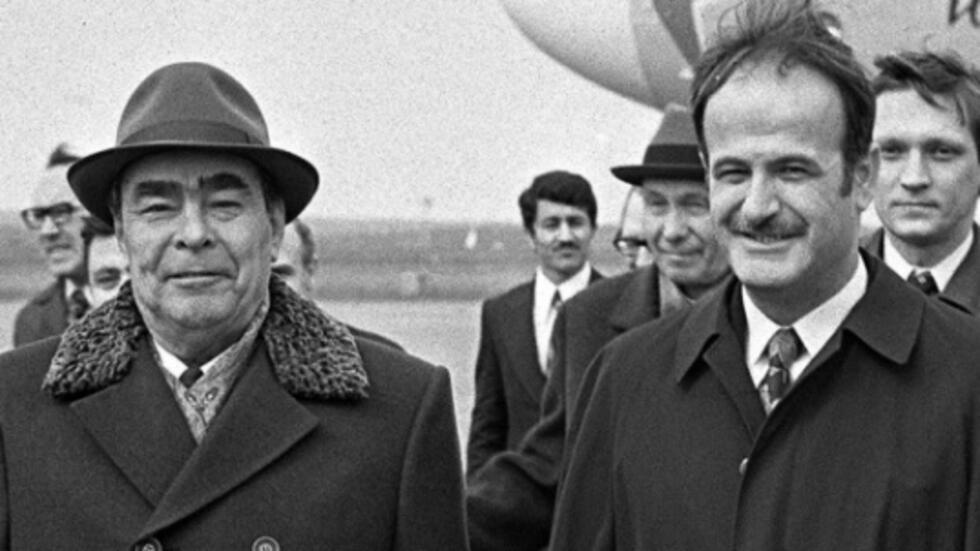
As president, he abandoned Jadid's policy of exporting socialist revolution, allied with the Soviet Union, and sought to position Syria as defender of the Palestinians, though his support was weak. His regime crushed an Islamist uprising culminating in the Hama massacre, which destroyed two-thirds of the city and killed 30,000 people.
Reader's Guide
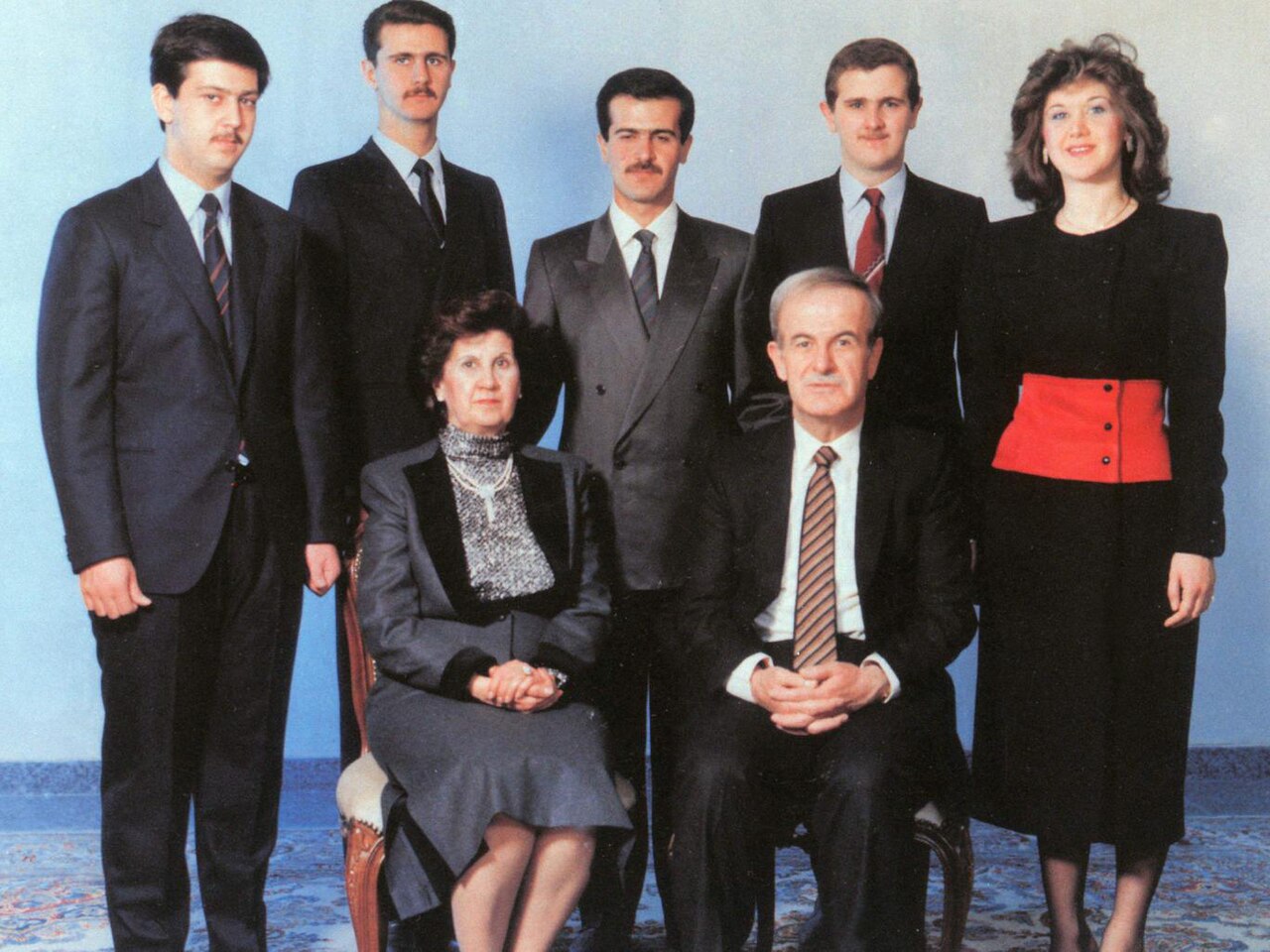
His rule was characterized by a cult of personality, suppression of dissent, and severe human rights violations, most notably the Hama massacre. In foreign policy, he shifted from exporting revolution to pragmatic alliances with the Soviet Union and some Western and Gulf states, while maintaining hostility toward Israel. His decision to appoint his son Bashar as successor, despite the latter's lack of political experience, set the stage for the continuation of his authoritarian legacy. Assad's legacy remains deeply controversial, with his regime's brutality and the long-term consequences of his policies still shaping Syria's trajectory.
Did You Know?
- Assad was the first in his family to attend high school and won several prizes at around age 14.
- Assad ordered an Arabization campaign of Kurdish areas of Syria.
- His regime's Hama massacre destroyed two-thirds of the city and killed 30,000 people.
Gallery
Frequently Asked Questions
What powers did Hafez al-Assad hold?
He concentrated all executive authority in his own office, ruling Syria as a one-man state for roughly thirty years. He simultaneously controlled the Ba'ath Party, the armed forces, and the intelligence services, leaving no independent check on his decisions.
Why is Hafez al-Assad considered significant?
He built the modern Syrian security state and entrenched a single-party system that still structures the country's politics today. His rule also established the Assad family dynasty, making him the founding figure of the regime that persists in the region.
More in Asian & Middle Eastern Monarchs & Strongmen 1-24
Elsewhere in the Asian & Middle Eastern Monarchs & Strongmen universe
Spotted an error? Know more?
This is a living reference — every entry is fact-audited, and reader corrections feed straight into our audit queue. Suggest an edit · See this site's audit record