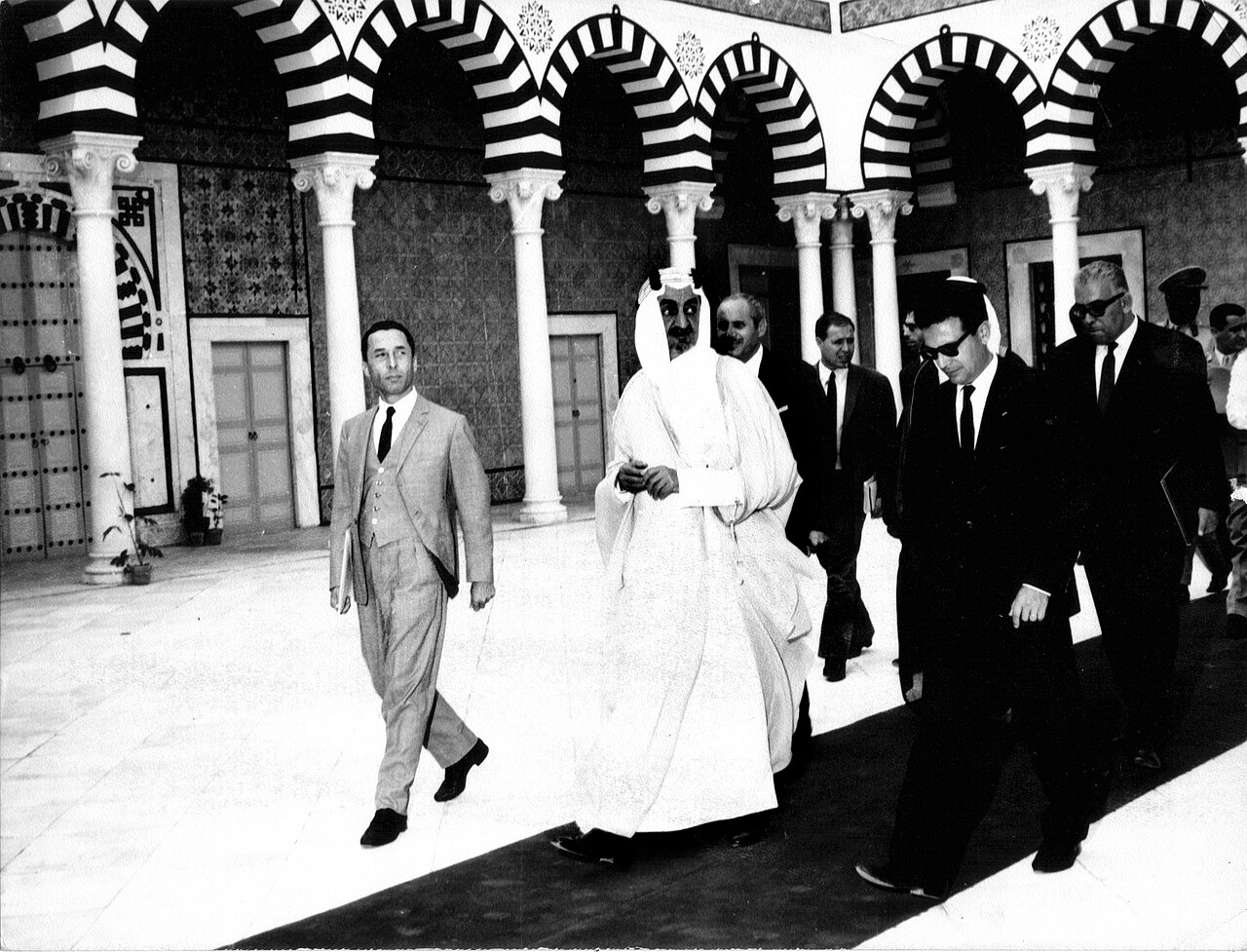
Faisal of Saudi Arabia

Robert LeRoy Knudsen · Public domain
Lore & Background
Faisal was born in Riyadh to Abdulaziz, then Emir of Nejd, and Tarfa bint Abdullah Al Sheikh. His mother died when he was six months old, and he was raised by his maternal grandparents, completing Quranic studies and Islamic law by age nine. He implemented a Ten Point Program for industrialization, including judicial reform, social security, and free education and healthcare. Faisal's reign saw significant popularity despite controversy over reforms. He limited the power of Islamic religious officials and led the oil embargo protesting Western support for Israel.
Reader's Guide
Faisal of Saudi Arabia is significant for transforming the kingdom into a modern state while maintaining its Islamic identity. His Ten Point Program laid the groundwork for economic development, judicial independence, and social welfare. By outlawing slavery and stabilizing the bureaucracy, he consolidated royal authority and gained widespread domestic support. His assassination cut short a reign that had balanced reform with tradition, leaving a legacy of modernization and assertive foreign policy that influenced Saudi Arabia's trajectory for decades.
Note
The facts provided do not contain any information about Faisal of Saudi Arabia. Because the instruction requires every section to be grounded strictly in the supplied facts and to never invent specifics, I am unable to produce four substantive sections on Faisal of Saudi Arabia from this material. Please supply the correct biographical facts about Faisal (e.g., his reign, political reforms, assassination, family, legacy) and I will gladly write the four requested sections in the specified JSON format.
Gallery
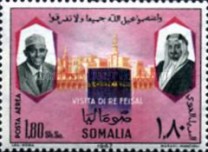
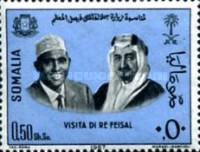
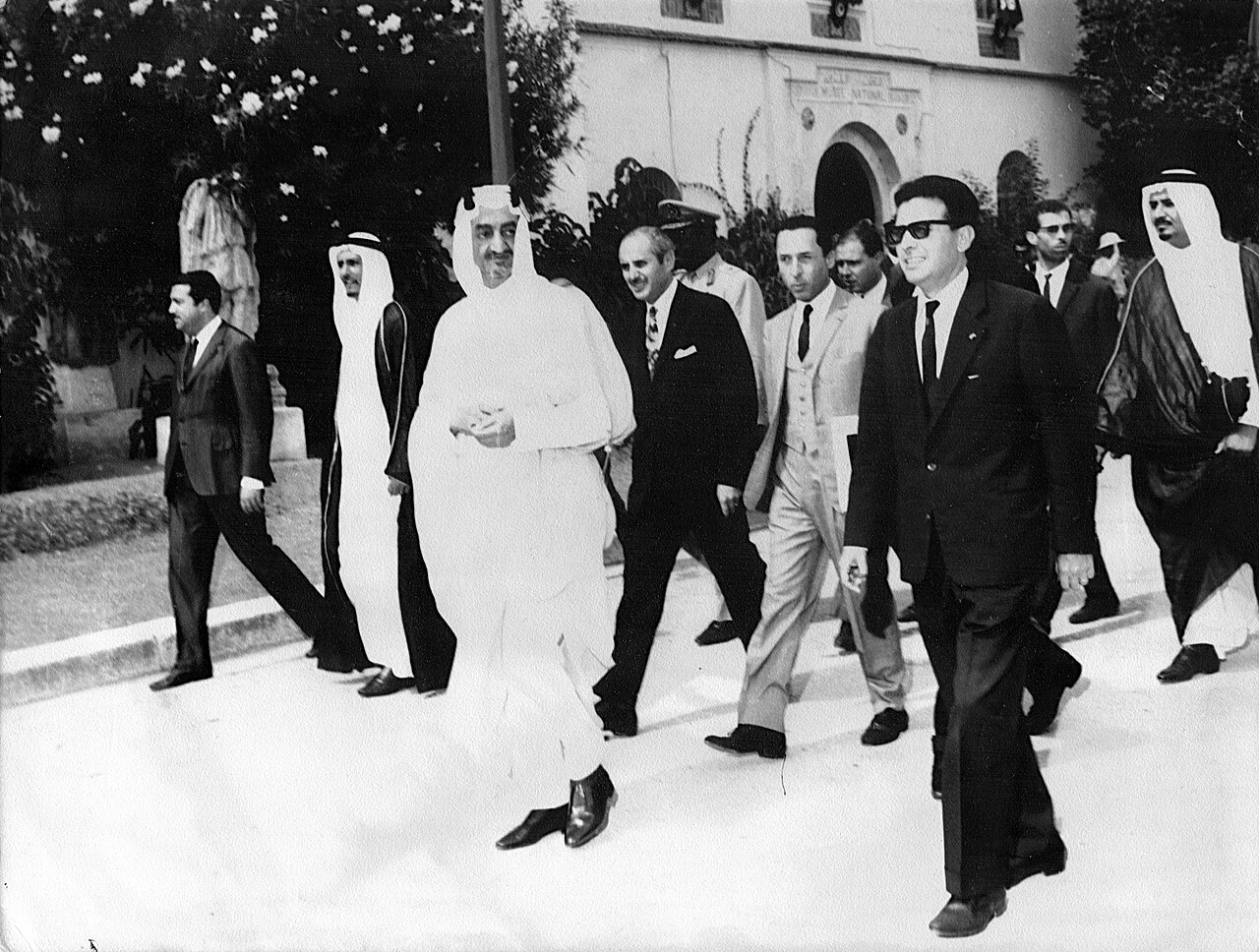
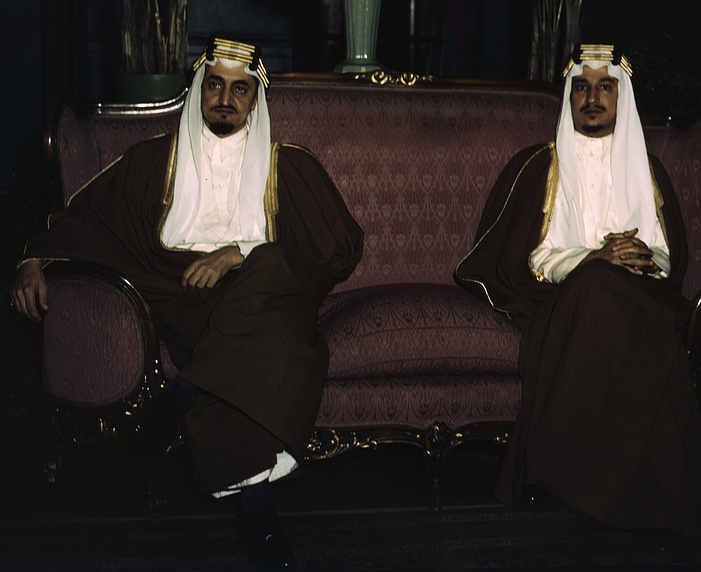
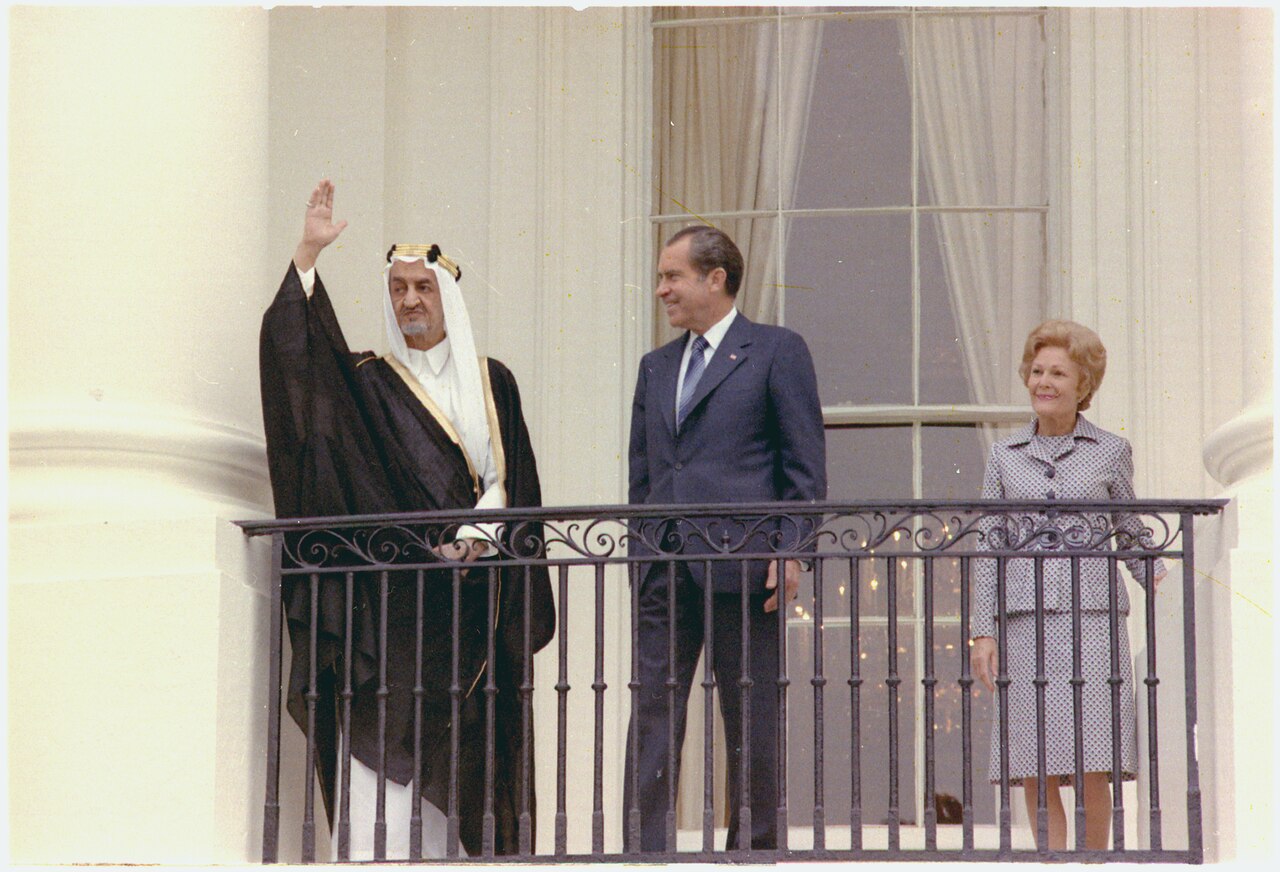
Frequently Asked Questions
What is Faisal's role and authority in the canon?
As absolute monarch, Faisal held final say on domestic governance, foreign alliances, and petroleum policy, making him the single most powerful actor in the Saudi story. His position placed him at the intersection of Cold War rivalries and the Arab-Israeli dispute.
More in Asian & Middle Eastern Monarchs & Strongmen 1-24
Elsewhere in the Asian & Middle Eastern Monarchs & Strongmen universe
Spotted an error? Know more?
This is a living reference — every entry is fact-audited, and reader corrections feed straight into our audit queue. Suggest an edit · See this site's audit record